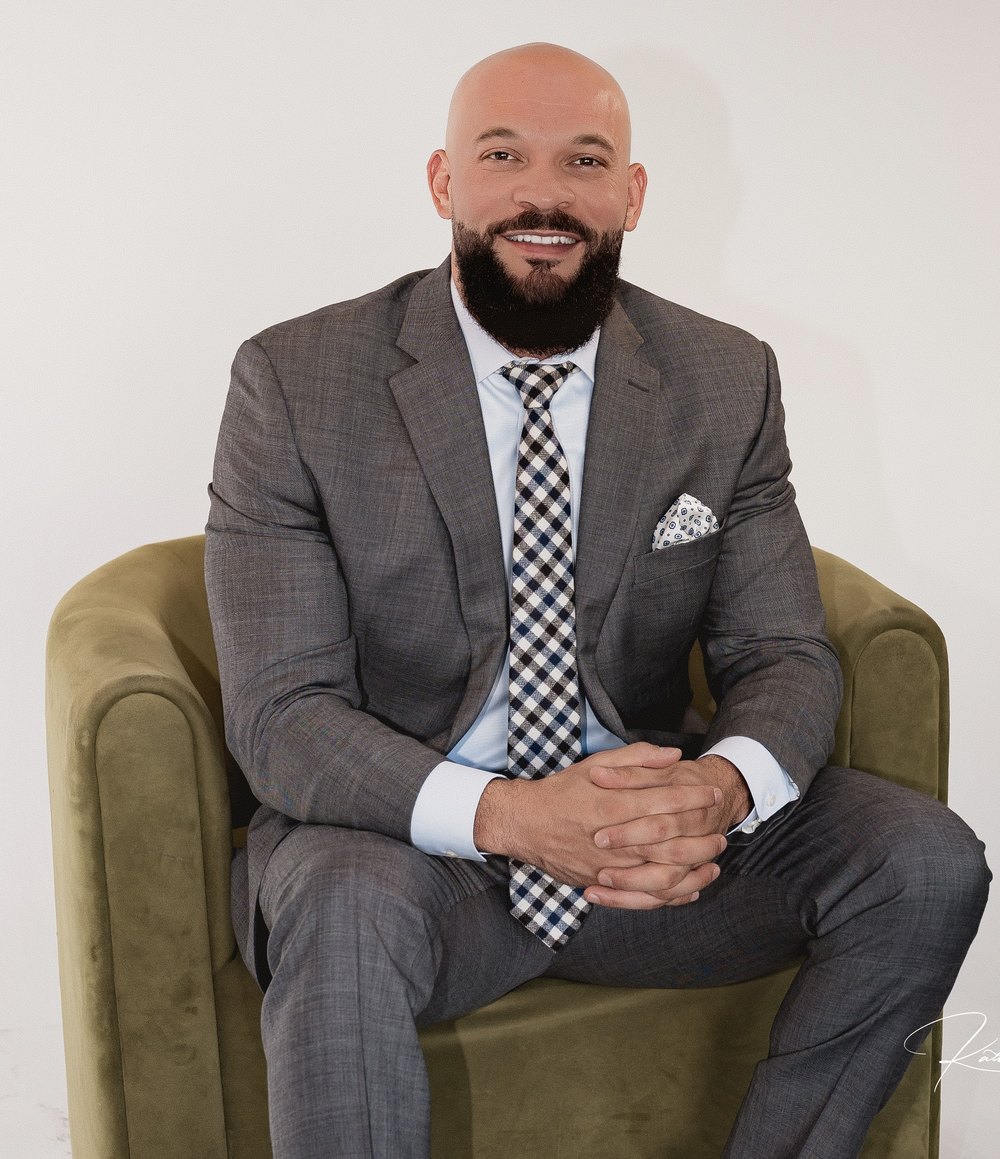
I worked my way up from the front lines of sales. Making calls. Learning to ask better questions. Hearing no, earning trust, and figuring out how to move a conversation forward. Before I was responsible for leading people, I was learning what it took to do the work myself.
Each new responsibility added another layer. Selling became leading salespeople. Leading teams became developing managers, building processes, and working across the departments that influence whether a sale ever happens. I learned by doing, asking questions, and seeing firsthand what helped people succeed and what got in their way.
That’s what brick by brick means to me. Every role added something to the foundation. Today, when I look at a sales operation, I bring those different perspectives with me.
I’ve seen people become successful in sales and grow into responsibilities they once weren’t sure they could handle. I’ve also seen teams struggle, changes fall short, and businesses close. Those experiences stay with you. They shape what you notice, the questions you ask, and the responsibility you feel when people are counting on your leadership.
The whole operation affects the sale
We naturally pay attention to the sales conversation: the questions, the presentation, the objections, the close. We also notice the energy of the team and the confidence of the person making the call.
I pay attention to what surrounds those moments, too.
How did the lead get there? What did the marketing lead that person to expect? Does the rep have the right information? Does the technology make the next step easy? Who owns the follow-up? Does the manager have enough visibility to recognize where someone needs help?
These are often the less glamorous parts of sales. They’re also where I’m willing to get into the details. A confusing workflow, an incomplete handoff, or a tool that adds unnecessary work can affect a good salesperson’s ability to do the job. Training can lose its value when the systems and expectations around it don’t support what was taught.
I’ve seen what happens when those pieces fall out of alignment. People work harder, frustration builds, and opportunities slip away. The problem may show up in the sales numbers even though its source sits somewhere else in the business.
That experience taught me to look beyond the most visible symptom.
Starting with the people leading the business
I like getting involved firsthand. I want to understand the work as people actually experience it, including the awkward steps and workarounds that may never appear in a report.
I start with the owner, sales leader, or designated point of contact. We review the available information and agree on which leaders and departments to involve, and when. If we need front-line insight, we involve those team members afterward, with a clear purpose and leadership’s agreement.
Every business has its own history, resources, personalities, and timing. Something that worked elsewhere may need to work differently here. Understanding those differences is part of the job.
Together, we can decide what needs attention, what should stay, and how to bring the pieces into better alignment without changing everything at once.
Building something people can believe in
Some of my most rewarding work has involved bringing structure to an operation while helping the people inside it develop. That might mean clarifying roles, creating useful training, improving a sales conversation, simplifying a workflow, or helping a manager learn how to coach with confidence.
I enjoy connecting those pieces. A clearer process gives training somewhere to land. Useful technology helps people follow through. Consistent leadership gives the team direction and support.
Then you begin to see it in the people. A rep finds their footing. A manager can see where help is needed. The team understands the plan and starts moving together.
That’s where my energy comes from. I want people to feel equipped to contribute, recognize their progress, and take pride in what we’re building.
Why I do this work
I’ve learned that I find the most fulfillment working with people who want to improve things for themselves, their team, and their business.
Sometimes they need an outside perspective. Sometimes they need someone to build alongside them. Sometimes they need a leader who will stay involved and help carry the work forward.
I’m open to the role that makes sense for both of us. We start by understanding the situation, being honest about what’s needed, and deciding together how I can help.
I built my experience brick by brick. Today, I bring that same care and commitment to what we build together.
Explore how I can help